

How to Use Compost for Healthy Plants

- Organic Pest Control for Vegetable Gardens: A Regenerative Guide - November 4, 2026
- Free Garden Planner PDF: Start Planning Your Dream Garden - November 4, 2026
- Heirloom Gardening for Beginners: 15 Easy Heirloom Vegetables + How to Save Seeds - October 30, 2026
Composting is a natural and sustainable way to enhance soil quality in your garden. Whether you have a small raised bed or a large plot, incorporating compost into your soil can significantly improve its fertility and overall health. In this blog post, we’ll go over how to use it in the garden and answer frequently asked questions, including how much to use per square foot, how much compost you’ll need, when to apply it, and more.

This post may contain affiliate links, which means I can receive a commission from any purchase made from the links. As an Amazon Associate, I earn from qualifying purchases. See the disclosure policy here.
Compost Charm: Using Compost for Lush and Healthy Garden Plants
Composting breaks down organic materials such as leaves, kitchen scraps, and yard waste into a nutrient-rich soil amendment. Whether you purchase it at the garden store or make your compost at home, these tips will help you.
When added to your garden soil, compost can help retain moisture, improve soil structure, and supply plants with essential nutrients like nitrogen, phosphorus, and potassium.
In addition to promoting healthy plant growth, compost can help reduce erosion, limit the need for synthetic fertilizers and pesticides, and grow food organically!
How much compost do you use per square foot?
The amount of compost you’ll need per square foot will depend on a few factors, including your soil’s current nutrient levels and texture and the specific needs of the growing plants.
Generally, you’ll want to aim for a compost-to-soil ratio of about 1:3 or 1:4 (one compost to three or four parts soil). For example, if you have a 10-foot-by-10-foot garden bed, you’ll need about 3 to 4 cubic yards of compost to achieve a 1:3 or 1:4 ratio.
Pro-Tip: Remember that it’s always better to err on the side of caution and add too little than too much, as too much can lead to nutrient imbalances and other issues.
How Much Compost Do I Need?
The amount of compost you’ll need will depend on the size of your garden and the depth of the soil you’re amending.
So, you’ll want to aim for at least 2 to 3 inches of compost spread evenly across the soil surface.
For example, if you have a 10-foot-by-10-foot garden bed with 6 inches of soil, you’ll need around 2 to 3 cubic yards of compost to reach a 2- to 3-inch depth.
If you have a smaller raised bed or planter, you can calculate its volume by multiplying its length, width, and depth in feet.

Applying Compost in a Raised Bed
If you have raised garden beds, add compost directly to the soil surface and gently mix it with a garden fork or cultivator.
You can also layer it between soil layers as you build your raised bed, which can help improve soil fertility over time.
If you’re starting a new raised bed, consider filling it with a blend of compost and potting soil for an extra nutrient boost.
Composting in Planters and Container Gardens
If planting in containers, add compost to your potting soil mix to improve its moisture retention and nutrient content.
Aim for a compost-to-potting soil ratio of around 1:3, or one part compost to three parts potting soil.
You can add some to the top of the soil in your containers as a mulch layer, which can help regulate soil temperature and conserve moisture.
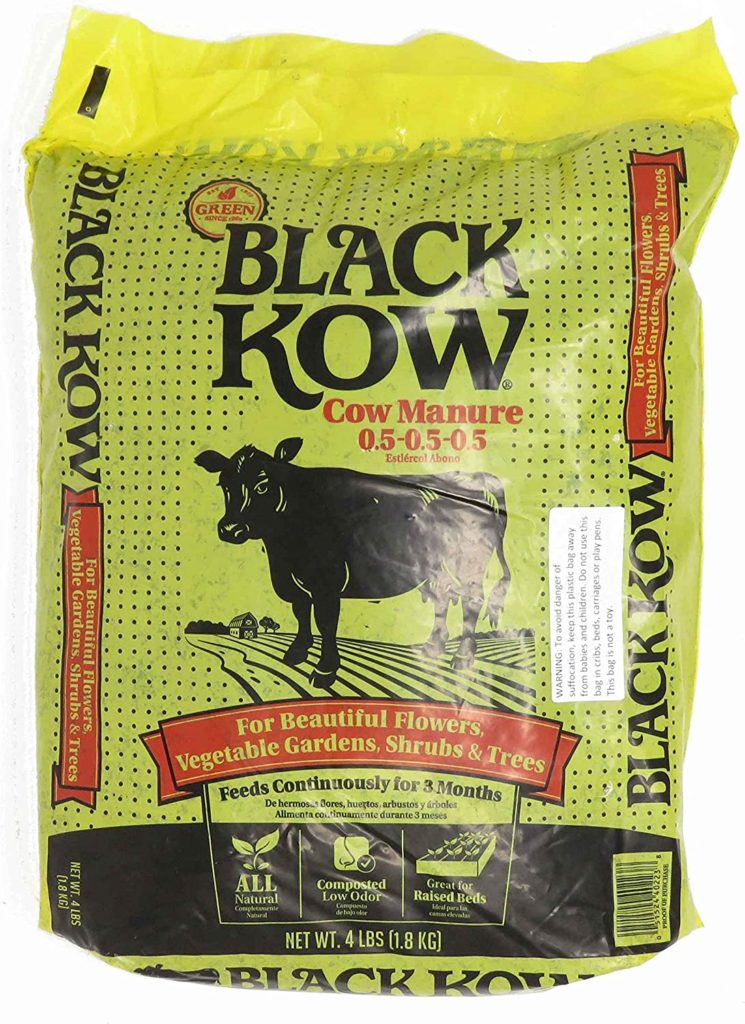
If you’re planting in pots or planters, you can mix compost into the soil before planting or add it as a top layer.
Aim for a 25% compost to 75% potting soil ratio for small pots, while a 50/50 mix can be used for larger planters. Adding compost to planters can promote healthy plant growth, reduce water stress, and prevent soil compaction.
In Garden Composting
If you have space in your garden, you can also create a compost container in your garden beds. This involves burying compostable materials directly into the soil.
Dig a hole or trench in your garden bed, add organic material, and cover it with soil. Over time, the materials will decompose and add nutrients to your soil.
You can also create a bucket with holes in the bottom and bury it except the lid. Then, you can throw kitchen scraps inside the bucket and watch the worms get to work! Check out this post about how to build your in-garden bin!

When to Add Compost to the Garden
The best time to add compost to your garden is in the fall, after you’ve harvested your crops, or in the spring, before you start planting.
This allows the substrate to integrate into the soil and provide nutrients to your plants throughout the growing season.
You can also add compost in smaller amounts throughout the growing season as a top layer or side dressing for plants that need extra nutrition.
In conclusion, growing soil with natural, organic matter is a simple and effective way to improve your plants’ health and productivity.
Whether using it in a raised bed, planter, or directly in the soil, aim for a ratio of 1:3 or 1:4, add at least 2 to 3 inches of compost, and add more in the fall or spring.
With a little effort, you can transform your garden soil into a nutrient-rich environment that supports healthy plant growth for years.
This post was about using garden compost for great soil and healthy plants.

Ready to Build Healthier Soil?
Download the Soil Success Kit, your printable guide to testing, amending, and recording soil health through every season. You’ll find step-by-step checklists and a worksheet to track improvements as you fix poorly draining soil the regenerative way.


