

The Best Foods to Grow to Save Money

- Organic Pest Control for Vegetable Gardens: A Regenerative Guide - November 4, 2026
- Free Garden Planner PDF: Start Planning Your Dream Garden - November 4, 2026
- Heirloom Gardening for Beginners: 15 Easy Heirloom Vegetables + How to Save Seeds - October 30, 2026
Here are some easy-to-grow staple crops to keep you out of the grocery store! These essential vegetables, fruits, and herbs are some of the easiest plants to cultivate.
This post may contain affiliate links, which means I can receive a commission from any purchase made from the links. As an Amazon Associate, I earn from qualifying purchases. See the disclosure policy here.
Take steps towards a healthier life, and learn about some essential foods to grow! You can take responsibility for some of your food now. Start where you are with what you have! Anyone can grow their food staple crops. You don’t have to have a lot of space or be a farmer to make a difference in your health and the planet by learning how to produce the freshest, most nutritious plants at your house! Get growing fast and plant these essential foods!
This post is all about foods to grow this year.
Thrifty Harvest: Best Foods to Grow and Save Big
Growing your food will give you confidence, pride, and nourishment beyond what you buy at the market. It doesn’t cost much to start and takes very little time. Plant these essential foods, kick back, and reap the rewards quickly!
Survival Foods You Should Be Growing Now
You don’t need to be a gardener to grow your food! Depending on your climate, you can start in early spring or grow foods year-round. I’ve made a list of staple foods anyone can grow, and no, it’s not sweet potato, corn, or rice crops!
Staple foods are just foods eaten regularly! You want to plant lots of these in your survival garden.
Whether you are a home cook or spend little time in the kitchen, quality nutrition should be on your mind. Everyone can find a way to grow these essential foods – No gardening experience is necessary!
Essential Foods to Grow in Containers
Container gardening is a great way to grow a lot of nutritious foods. It is easy to get started, and you don’t need much money or space.
You can take responsibility for your food! By learning a few simple techniques, you can give yourself and your family access to the highest-quality, freshest food available. Foods grown by you are the healthiest.
Also, you know precisely how you raised the food. Gardening in containers is super easy. So, if you only have an apartment balcony, no worries! Start a container garden and plant seeds and easy-to-grow vegetables!
Whether you want vegetables that grow in the ground or an indoor vegetable garden in your apartment, it is not as difficult as you may think! Here are the things I would buy for indoor apartment gardening!
Take Responsibility for Your Food
Taking responsibility for some of your food sources is the first step toward becoming self-sufficient and ensuring food security. What was once a way of life, gardening, has become an art lost to younger generations.
We rely on businesses to produce food products that entice us with colorful packaging. We have the privilege of accessing food whenever and wherever we want, without worrying about the production and logistics that move it around the world.
However, this privilege has a dark side. Chronic diseases such as heart disease, cancer, diabetes, and an increasing number of autoimmune disorders are inevitable effects of this “luxury.”
Thankfully, you have options. You can change what foods you eat and what you spend money on in restaurants and stores.
In addition, you can grow some of the most nutritious foods that can fortify your diet and help you live a longer, healthier life. It is an easy step towards more sustainable nutrition for you and your family.
What to Grow in a Survival Garden
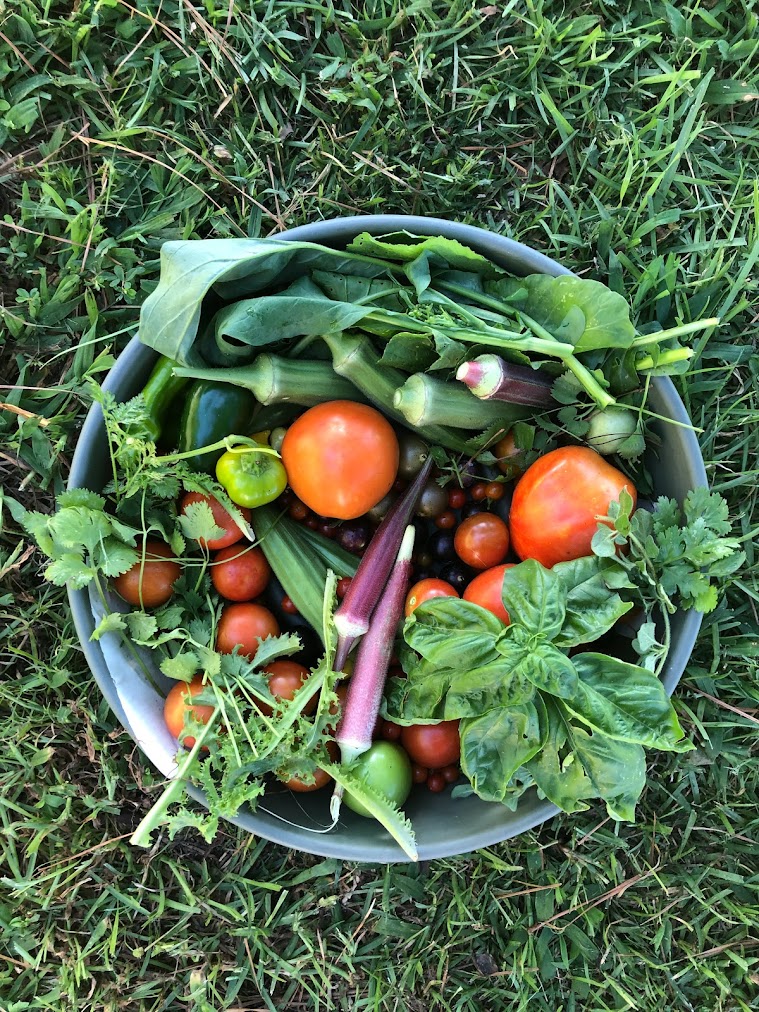
Begin your journey gardening with zero experience, and you will discover that many plants are simple to cultivate. All you will need are seeds, sun, and soil.
You will wish you hadn’t waited so long to grow these essential plants. It is so easy!
Your little garden will make for fewer expenses on your grocery list, tastier dishes, and unsurpassed nutrition that can only come from freshly picked foods.
You can grow these plants in small containers, raised beds, or a community garden. Additionally, you can produce some plants indoors on a windowsill or with a grow light!
Here are the Easiest Foods to Grow at Home
#1 Greens for Salads, Smoothies, and Stir-fry
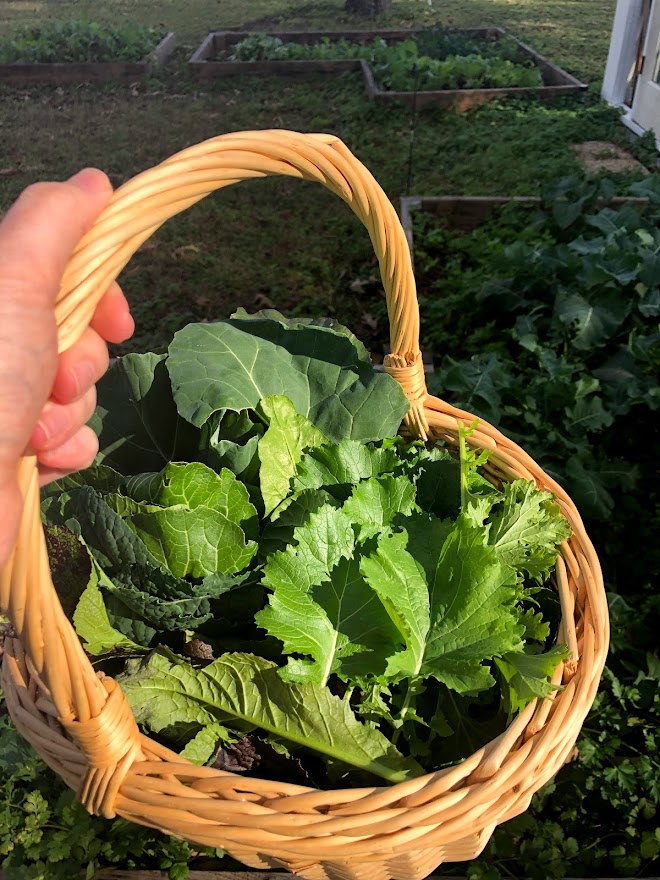
Seriously, these are too easy. Greens are the best homegrown veg! There are so many varieties besides the conventional spinach and kale you find in the supermarket.
Did you know there are four types of kale, each with multiple varieties, and that they’re super nutritious? Greens are essential to a low-maintenance vegetable garden!
While kale has been eaten for thousands of years, it has only been conventionally grown for grocery stores since the early 2000s.
It became a popular food choice as nutrition research revealed more about phytochemicals and their importance in human biology. However, it is essential to note that scientists have not discovered everything there is to know about plants and the many bioactive chemicals that serve us, humans.
We are only beginning to understand these processes. Therefore, we can assume that plants are much more critical to our health than we can comprehend.
Kale and spinach are great additions to our diets because they are healthful and less pungent than other greens.
So you can hide them in smoothies and soups if greens aren‘t your favorite food group yet!
Best Heirloom Seeds to Grow
- Scarlet Kale
- Tronchuda Kale
- Casper Kale
- Thousandhead Kale
- Walking Stick Kale
- Japanese Flowering Kale
- Dazzling Blue Kale
- Red Ursa Kale
- Dwarf Siberian Kale
- Blue Curled Scotch Kale
- Russian Red Kale
- Nero Di Toscana
- Lucinato (Dinosaur Kale)
- Bloomsdale Longstanding Spinach
- Amsterdam Prickly Seeded Spinach
- Bokoboko Spinach
- Chijimisai Spinach
- Chinese Multicolored Spinach
- Galilee Spinach
- Giant Noble Spinach
- Gigante D` Inverno Spinach
- Komatsuna Spinach
- Merlo Nero Spinach
- Monstrueux de Viroflay Spinach
- New Zealand Spinach
- Red Malabar Spinach
- Strawberry Spinach
More Essential Greens You Should Be Growing
Kale and spinach are just the beginning.
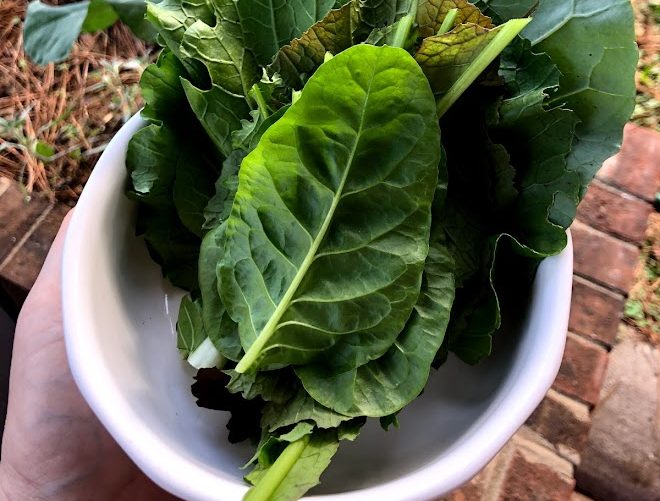
Greens to include in your garden space include lettuces, Asian greens like bok choi, arugula, Swiss charge, mustards, collards, and more.
Asian greens like bok Choi, pak choi, and tatsoi are super easy to grow and nutritious! Top your pizzas with tatsoi. The leaves are mild, like spinach, and taste great.
Nothing is better than grabbing a handful of fresh lettuce for a salad. No more food waste from old bagged salads from the grocery store!
How to Grow Greens
Most greens prefer temperatures between 50-80 degrees and tolerate cold weather well. However, warmer temperatures can accelerate plant growth too much.
In our garden in North Carolina zone 8A, greens grow year-round, but most varieties die back in the warm summer temperatures.
These plants require fertile soil, so a good organic potting mix and compost are ideal for raised beds or containers. For in-ground planting, mix a little compost into the ground.
Plant the seeds and do nothing but water every few days. Keep the soil moist, but make sure the water can drain out properly using containers.
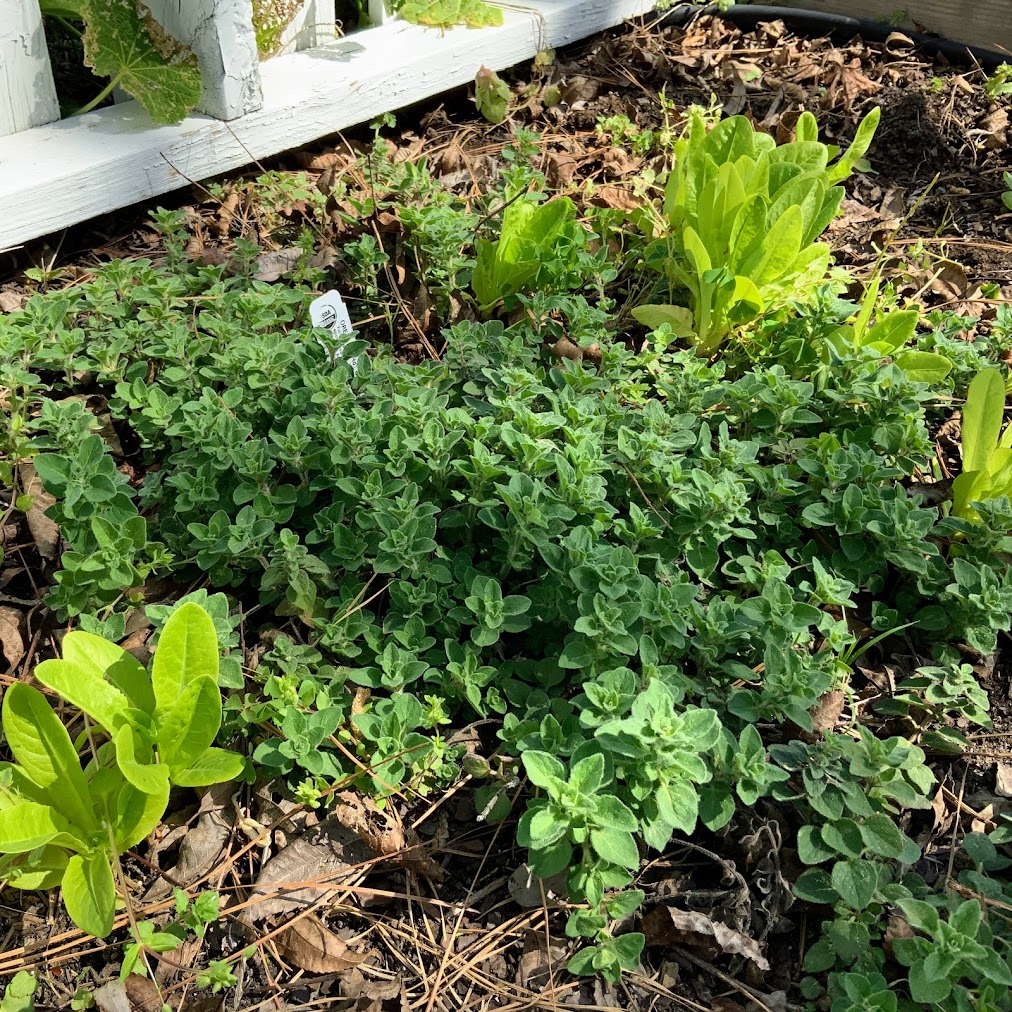
Pro Tip: Plant with herbs like parsley and oregano to help keep pests away and attract beneficial insects.
Best Foods to Plant for Survival
#2 Seasonings
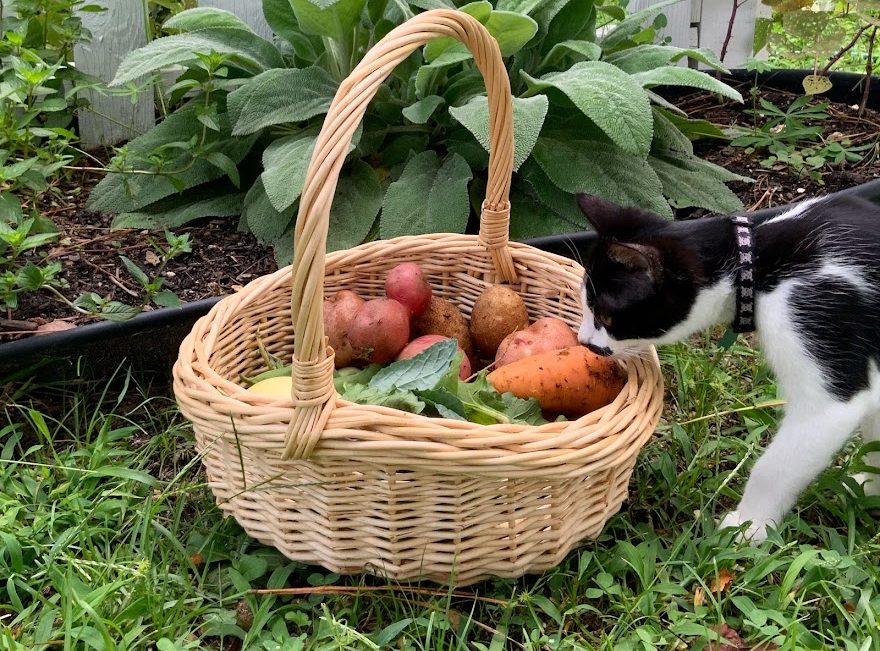
Most of these plants grow as perennials in temperate zones. They require very little maintenance and provide so much flavor and health benefits.
Plant These Essential Seasonings
- (Evergreen) Bunching Onions
- Walking Onions
- Texas Early Onions
- Southport Red Globe Onions
- Leeks
- Chives
- Elephant Garlic
- Russian Red Garlic
- Chinese Pink or White Celery
- Utah Tall Celery
- Herb-Lovage (Celery-like taste)
- Giant Prague Celeriac (root)
- Parsley
- Cilantro, Dwarf Lemon Cilantro
- Greek, Spicy, and Vulgare Oregano
- Thyme
- Marjoram
- Anise
- Basil, Thai Holy Basil, Spicy Basil, Chinese Sweet Basil
- Lemongrass
- Sage, Pineapple Sage
- Rosemary
- Dill
- Mints
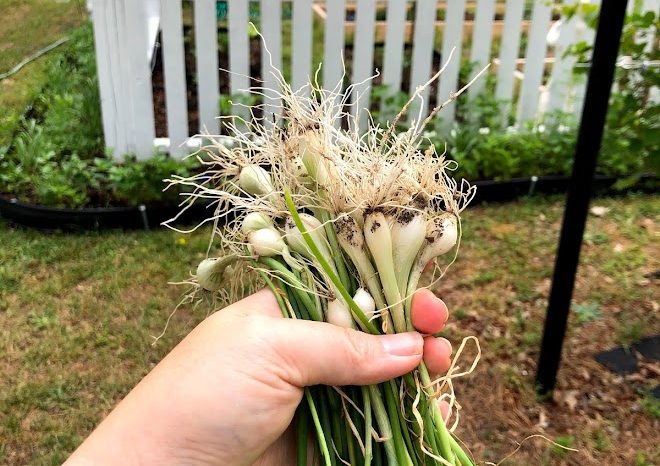
With evergreen bunching onions, you can cut the greens, and they will grow back, or you can use the whole onion.
They are rich in flavor and make the best powder when dehydrated and blended. You can dry and process all the foods above to make shelf-stable seasonings!
Did you know garlic is also simple to grow? You can even plant cloves that you purchase at the grocery store. They are ready to harvest when the stems fall over and turn yellow.
Herbs, like fruits and vegetables, work well on windowsills, containers, beds, and the garden. They are also beautiful and can be used in edible front yards or patio landscapes.

#3 Fruits:
Did you know that you can grow all sorts of berries in containers? Strawberries do very well in small spaces, vertical planters, and containers; blueberries grow well in containers, too!
If you have the space, blueberries are a great bush to incorporate into your landscaping and do exceptionally well near pine trees, where the soil pH is slightly acidic.
Once established, you can expect berries for years to come! Fruit gardening does not need to be DAUNTING! There are ways to have fruit year-round without a ton of maintenance.

Strawberries produce runners; if you plant them in a large, permanent bed, you only need to maintain it once or twice a year.
Also, you will get fruit forever! Plant strawberries with chives and asparagus for a perennial ecosystem that will produce food for a long time.
Grapes and muscadines are fun and easy to grow, but need a little space and support to go wild. These permanent fruiting vines will bring joy and so much nutrition to you and your tribe!
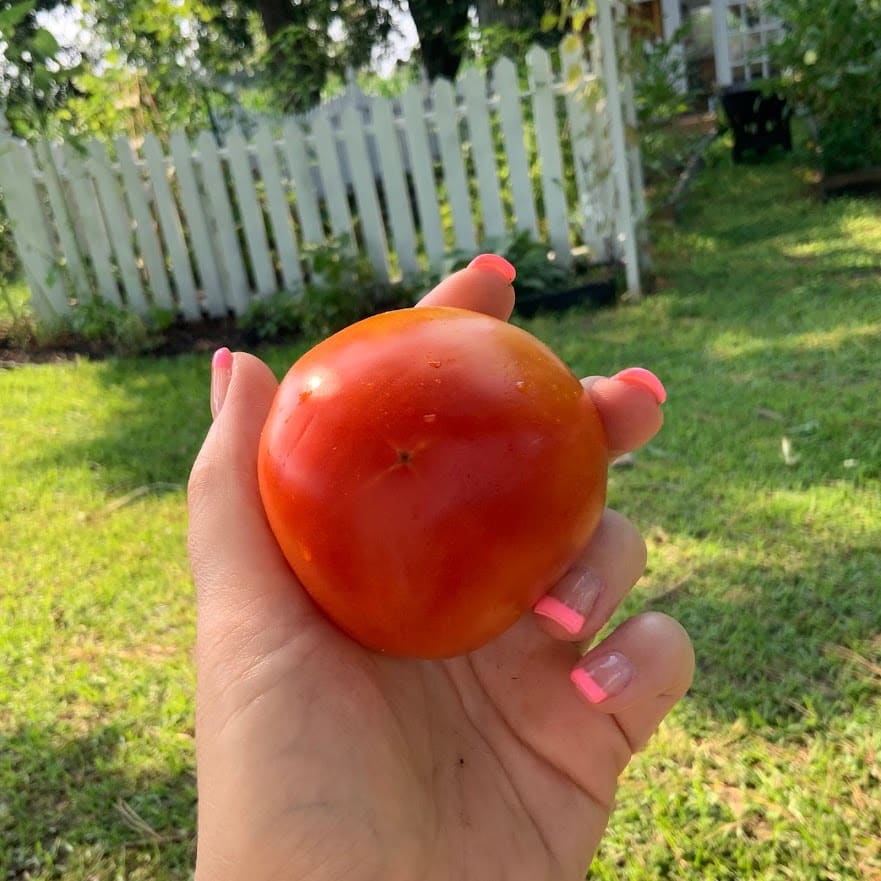
Tomatoes are so fun and easy to grow! There are so many varieties, and there is no comparison between a freshly picked tomato from the garden and one from a store.
Plant These Essential Fruits in Your Garden
Choose a variety that is adapted to your growing zone.
- Strawberries
- Blueberry Bushes
- Blackberries
- Raspberries
- Mulberries
- Aronia Berries
- Honeyberries
- Red or White Currants
- Grapes
- Muscadines (Try Carlos and Tara varieties)
- Cherry tomatoes, spoon tomatoes, and baby boom tomatoes are super spectacular!
- Heirloom Tomatoes- Experiment With Different Kinds!
- Don’t forget about fruit trees! Dwarf varieties can take up no space and provide food for 20+ years.

How I Grow Staple Foods in My Garden
I garden in zone 8A (central North Carolina) and grow herbs year-round in brick planters on my back patio. It has morning sun and afternoon shade.
Also, I use the no-dig method with raised beds that I constructed from thick pine wood.
I will plant seeds in March-April and then again in August-September to keep everything in stock and ready to harvest. When the plants produce seeds, I save those so I will not have to buy seeds again.
Ultimately, I aim to create a self-sustaining garden that produces food year-round with as little effort from me as possible, so we can eat sustainable food. By consuming more whole fruits and vegetables, we can also reduce food waste!
If you choose containers, start with organic potting soil for containers or raised beds. Naturally, this makes it super easy to start and ensures your plants have all the resources they need to flourish.
Are you ready to grow your fruits, veggies, and herbs? In a comment below, tell us what foods you will grow this season.
This post lists all the easiest foods to grow in your garden to save money.
Don’t Just Grow Food. Grow Nutrient-Dense Food.
Some vegetables provide significantly more vitamins, minerals, and antioxidants than others.
Grab my free guide, Maximize Your Nutrition With These Easy-to-Grow Crops, to discover the best nutrient-dense vegetables for home gardens, where to find quality seeds, and how to grow more nutrition in every square foot.


