

Heirloom Gardening for Beginners: 15 Easy Heirloom Vegetables + How to Save Seeds

- Organic Pest Control for Vegetable Gardens: A Regenerative Guide - November 4, 2026
- Free Garden Planner PDF: Start Planning Your Dream Garden - November 4, 2026
- Heirloom Gardening for Beginners: 15 Easy Heirloom Vegetables + How to Save Seeds - October 30, 2026
Uncover the secrets of preserving heritage, cultivating self-sufficiency, and creating a sustainable life with heirloom gardening for new homesteaders. Discover the advantages of heirloom gardening for achieving self-sufficiency, and gain valuable insights on establishing an heirloom garden on your homestead.

This post may contain affiliate links, which means I can receive a commission from any purchase made from the links. I earn from purchases from Amazon links. See the disclosure policy here.
Homestead Haven: Simple Heirloom Gardening for You
Heirloom gardening is the practice of growing traditional, open-pollinated plant varieties preserved and passed down through generations. Unlike most modern hybrids, heirloom vegetables can produce seeds that grow true to their parent plants when you save them properly and protect them from cross-pollination.
Growing heirloom vegetables offers more than a harvest. It lets you preserve agricultural heritage, maintain genetic diversity, and build a seed collection adapted to your growing conditions.
Wherever you are on your gardening journey, this guide covers 15 heirloom varieties worth growing, six simple steps to get started, and how to save seeds for future growing seasons.
Heirloom Gardening Uses Genetically Strong, Nutrient-Rich Plants.
By cultivating heirloom plants, homesteaders can enjoy an array of delicious, visually stunning crops and help preserve our botanical heritage for generations.
Distinguishing between heirloom, hybrid, and genetically modified plants is essential.
Heirloom vs. Hybrid vs. GMO: What’s the Difference?
Before choosing heirloom seeds, it’s helpful to understand how heirloom plants differ from hybrids and genetically modified organisms (GMOs).
Heirloom plants are open-pollinated varieties with a history of cultivation and preservation. Many have been grown for at least 50 years, although no universally accepted age requirement exists for an heirloom.
Open-pollinated plants reproduce through natural pollination. If the plant is grown far enough away from other plants it could hybridize with, its seeds generally produce true-to-type yields.
Hybrid plants are developed by intentionally crossing two genetically distinct parent lines to combine desirable characteristics. These may include improved disease resistance, uniform growth, productivity, or other traits.
First-generation hybrids, commonly labeled F1, can produce viable seeds. However, plants grown from those seeds may display different characteristics because their offspring are genetically variable.
Genetically modified plants, or GMOs, are developed using genetic engineering techniques to introduce or alter specific traits. Genetic engineering differs from traditional breeding methods, although breeders may still breed the resulting plants through conventional methods afterward.
| Characteristic | Heirloom | F1 Hybrid | GMO |
| Origin | Traditional, open-pollinated varieties | Controlled crosses between parent lines | Genetic engineering |
| Seeds grow true to type? | Generally, with proper isolation | Not reliably in the next generation | Depends on the variety and genetic traits |
| Primary advantages | Seed saving, heritage, variety diversity | Predictable traits and performance | Specific engineered characteristics |
| Best for | Seed savers and gardeners preserving traditional varieties | Gardeners seeking particular performance traits | Primarily specialized agricultural applications |
Heirloom vegetables are special because they preserve a wide range of characteristics, including flavors, colors, growth habits, and regional histories.
For gardeners looking to build a self-reliant seed supply, heirloom varieties are an excellent place to start.
15 Easy Heirloom Vegetables for Beginners
One of the most enjoyable parts of heirloom gardening is discovering varieties you won’t ordinarily find at the grocery store.
Some heirlooms have been cultivated for centuries, while others have more recent histories of breeding, selection, and preservation. Each offers something distinctive, like exceptional flavor.
The following varieties provide a starting point for an heirloom vegetable garden.
Best Heirloom Vegetables to Grow
| Heirloom variety | Plant type | Approx. days to harvest | Why grow it? | Seed-saving difficulty |
| Brandywine | Tomato | 80–100 | Large, flavorful slicing tomatoes | Easy |
| Cherokee Purple | Tomato | 75–90 | Rich flavor and dusky purple-red fruit | Easy |
| Dragon Tongue | Bush bean | 55–65 | Tender yellow pods with purple streaks | Easy |
| Kentucky Wonder | Pole bean | 60–75 | Productive climbing vines | Easy |
| Cosmic Purple | Carrot | 70–80 | Purple exterior with orange flesh | Hard |
| Danvers 126 | Carrot | 70–80 | Reliable roots for cooking and storage | Hard |
| Black Beauty | Zucchini | 50–65 | Productive, dark-green summer squash | Medium |
| Waltham Butternut | Winter squash | 95–110 | Excellent storage and cooking quality | Medium |
| Moon and Stars | Watermelon | 90–100 | Distinctive spotted rind and sweet flesh | Medium |
| Glass Gem | Flint corn | 100–120 | Multicolored kernels for drying and grinding | Hard |
| Lemon | Cucumber | 60–70 | Small, round, pale-yellow cucumbers | Medium |
| Bloomsdale Long Standing | Spinach | 40–50 | Savoyed leaves for cool-season harvests | Medium |
| Red Russian | Kale | 50–65 | Tender leaves with purple-red stems | Hard |
| Genovese | Basil | 60–75 | Aromatic leaves for pesto and cooking | Medium |
| Mammoth Grey Stripe | Sunflower | 90–110 | Large flower heads and edible seeds | Medium |
Harvest times are approximate and vary with climate, planting conditions, and seed supplier. Seed-saving difficulty assumes you want to maintain a variety’s characteristics, not just collect viable seeds. I’ve noticed that some traditional open-pollinated cultivars, including Waltham Butternut and certain Genovese basil strains, are sold as heirlooms depending on the supplier.

Heirloom Tomatoes: Brandywine and Cherokee Purple
Heirloom tomatoes are among the most popular traditional vegetables home gardeners grow.
Brandywine is known for its large, pinkish-red beefsteak tomatoes and rich, balanced flavor. It is particularly well suited for fresh slicing, sandwiches, and salads.
Cherokee Purple produces dusky purple-red tomatoes with dark shoulders and a complex, sweet-savory flavor. This is a TFH favorite, and we grow it as a staple.
Both are generally indeterminate varieties, meaning their vines continue growing and producing throughout the season under favorable conditions.
Provide sturdy supports, consistent moisture, and sufficient space for airflow.
Another fascinating variety is Mortgage Lifter, developed by M. C. Byles, also known as Radiator Charlie, in the early twentieth century. According to the variety’s widely shared history, Byles sold enough tomato plants to help pay off his mortgage. My grandfather grew Mortgage Lifters, and they always produced huge crops.
Heirloom Beans: Dragon Tongue and Kentucky Wonder
Beans are among the easiest heirloom vegetables for beginners because they grow quickly and produce big harvests.
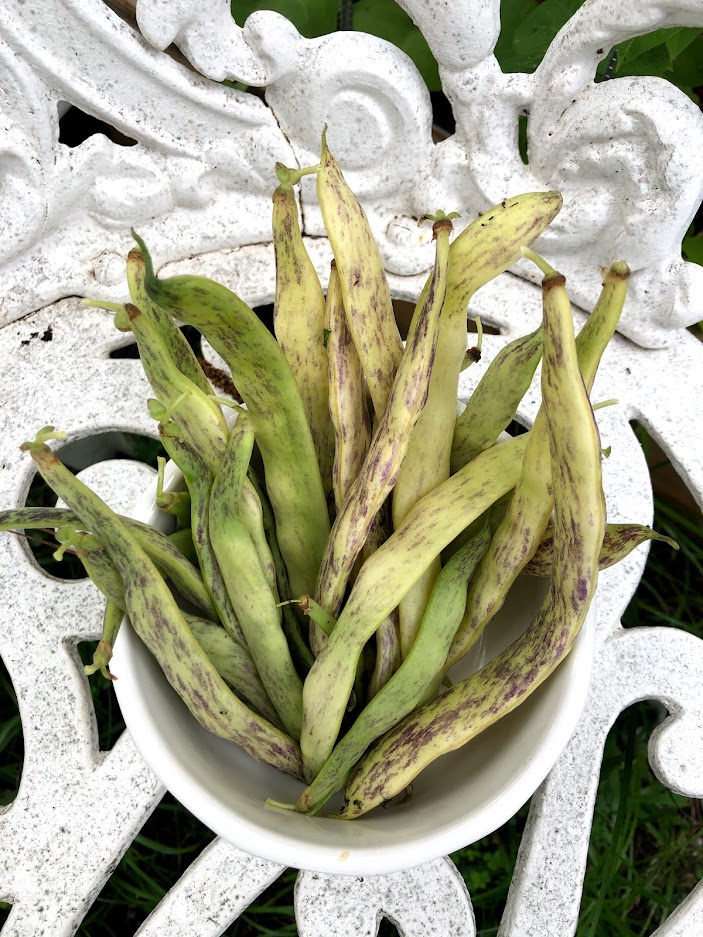
Dragon Tongue beans are a Dutch heirloom bush bean with creamy yellow pods streaked in purple. The pods are tender when harvested young and can also be left to mature for shelling or dried beans. I usually eat these in a stir-fry, and they are beautiful and delicious.
They’re one of my favorite examples of how visually interesting heirloom vegetables can be.
Kentucky Wonder is a traditional pole bean that produces long green pods on vigorous climbing vines. It works well in gardens with vertical growing space.
You can grow both varieties from seeds sown directly into warm garden soil.
Read more about growing Dragon Tongue beans.
Heirloom Carrots: Cosmic Purple and Danvers
Cosmic Purple carrots have deep purple skin surrounding bright orange flesh. Their unusual coloring makes them particularly attractive in salads and roasted vegetable dishes.
Danvers carrots are known for their tapered shape and ability to grow in soils that may not be ideal for longer, slender carrot varieties.
Carrots prefer loose, well-prepared soil and consistent moisture during germination.
Unlike beans and tomatoes, carrots are biennials. They typically require a second growing season to flower and produce seeds, making seed saving more complicated.

Heirloom Squash: Black Beauty and Waltham Butternut
Black Beauty zucchini is a traditional open-pollinated summer squash with glossy, dark-green fruit. Harvest the zucchini while young for tender texture and continued production.
Waltham Butternut is a widely grown open-pollinated winter squash developed in the twentieth century. It produces tan-skinned fruit with sweet orange flesh that stores well after proper curing.
Both benefit from fertile soil, adequate growing space, and access to pollinating insects.
Squash varieties can cross-pollinate with compatible varieties of the same species, so seed savers need to plan carefully.
Moon and Stars Watermelon
Few heirloom fruits are as distinctive as the Moon and Stars watermelon.
Its dark-green rind is covered with small yellow spots resembling stars, often accompanied by one or more larger yellow markings that resemble moons.
The variety became uncommon in commercial seed catalogs before seed preservation efforts brought it back into wider circulation.
Moon and Stars watermelon requires warm soil, full sun, and enough space for sprawling vines.
Glass Gem Corn
Glass Gem corn produces an extraordinary range of translucent-looking kernels in shades of blue, pink, purple, red, orange, and yellow.
Its development is closely associated with Carl Barnes, a Cherokee seed saver who selected colorful corn over many years, and other growers later preserved and shared it.
Glass Gem is primarily a flint corn, not a sweet corn. It is best suited for drying, decorative use, grinding into cornmeal, and potentially popping.
Corn is wind-pollinated and crosses readily with other compatible corn varieties. Maintaining seed purity requires sufficient isolation and a breeding population large enough to support it.

Lemon Cucumber
Lemon cucumbers produce small, round fruits that turn pale yellow as they mature.
Despite their name, they don’t taste like lemons. They have a mild cucumber flavor and are excellent for fresh eating.
Their compact fruits make them particularly appealing for kitchen gardens, and the vines can be trained onto trellises to conserve space.
Bloomsdale Spinach and Red Russian Kale
Cool-season greens help extend the heirloom gardening season beyond summer.
Bloomsdale Long Standing spinach produces deeply crinkled leaves and performs best during the cooler temperatures of spring and fall.
Red Russian kale has blue-green leaves with reddish-purple stems. Its tender young leaves work well in salads, while mature leaves can be cooked.
Both crops prefer cooler growing conditions. Saving seeds is more involved because spinach can cross-pollinate through wind, while kale readily crosses with compatible members of its species.
Genovese Basil
Genovese basil is a traditional culinary basil valued for its large, aromatic leaves.
It grows well in warm weather and can be harvested repeatedly throughout the season. Regular harvesting encourages branching and delays flowering.
To save seeds, let selected plants flower and develop mature seed heads.
Basil flowers also attract bees and other beneficial insects, making the plant useful in a diverse vegetable garden.
Mammoth Grey Stripe Sunflower
Mammoth Grey Stripe sunflowers produce tall stalks and large flower heads filled with edible seeds.
They’re a useful addition to gardens where you want to grow food while supporting pollinating insects and seed-eating birds.
Insects pollinate sunflowers and can transfer pollen between compatible varieties, causing cross-pollination. Isolation is important when preserving a specific variety.
Explore more options in my guide to heirloom sunflower varieties.
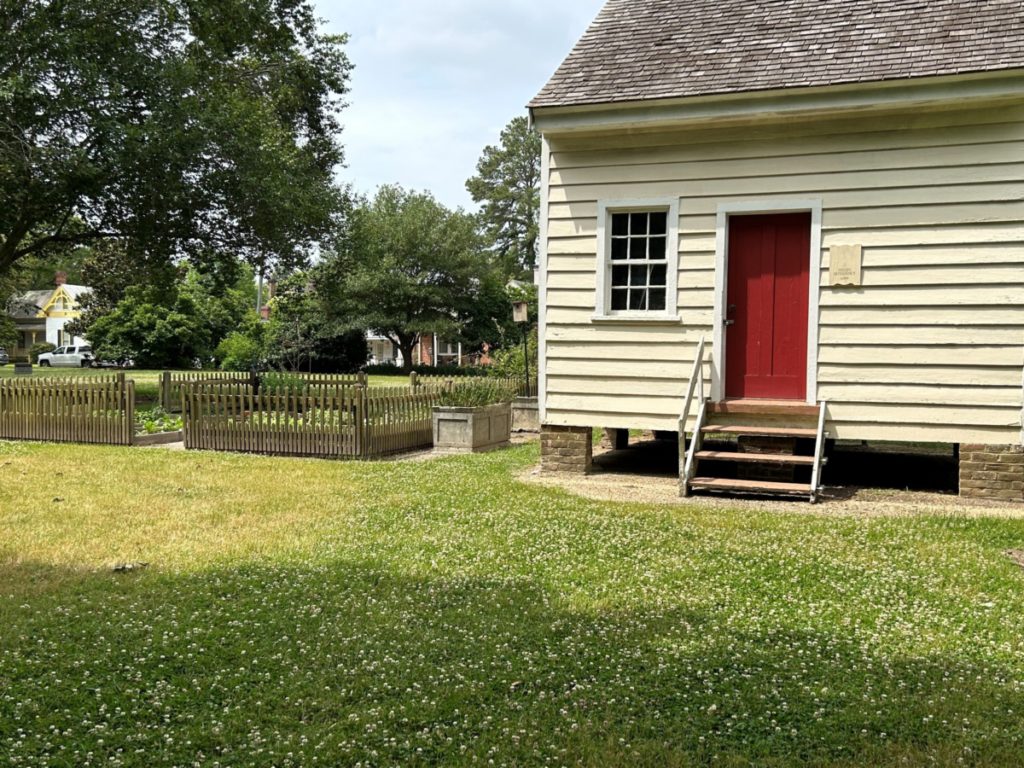
How to Start an Heirloom Garden in 6 Steps
Starting an heirloom garden doesn’t require a large homestead or extensive gardening experience. Start with a few manageable varieties and learn as you go.
Step 1: Choose Five Easy Heirloom Varieties
For an easy beginner’s heirloom garden, I recommend these:
- Dragon Tongue bush beans
- Brandywine tomatoes
- Black Beauty zucchini
- Lemon cucumbers
- Genovese basil
These crops offer simple growing requirements, useful harvests, and opportunities to practice basic seed saving.
Before buying seeds, be mindful of the heirloom’s adaptations. Choose varieties suited to your zone and area.
Step 2: Test and Prepare Your Soil
Healthy soil is the foundation of a productive heirloom garden.
If you suspect soil problems, you can do a soil test to determine pH and nutrient levels.
Incorporating finished compost can improve soil structure, moisture retention, and biological activity. Avoid adding large amounts of fertilizer without understanding your soil’s existing fertility.
Choose a growing area that receives at least six to eight hours of direct sunlight for most fruiting vegetables.
Learn more about building healthy garden soil.
Step 3: Start Your Heirloom Seeds
Some heirloom vegetables grow best when started indoors, while others should be sown directly into the garden.
Start tomatoes and basil indoors several weeks before the anticipated last spring frost.
Beans, carrots, corn, and many cucurbits generally establish well when directly sown into appropriately warmed soil.
Follow the planting depth, spacing, and temperature recommendations for each variety.
Use a quality seed-starting mix for indoor seedlings and provide adequate light to prevent leggy seedlings.
Step 4: Transplant at the Right Time
Do not transplant warm-season crops outdoors until frost danger has passed and soil temperatures are suitable.
Before transplanting, gradually acclimate indoor seedlings to outdoor conditions through a process called hardening off.
Move seedlings into protected outdoor conditions for increasing periods over approximately one week.
Handle roots gently and water thoroughly after transplanting.
Step 5: Mulch, Water, and Protect Your Plants
Mulch around established plants with organic matter such as straw, shredded leaves, and mowed grass clippings, as long as there are no seeds.
Water deeply and consistently rather than applying small amounts every day. A drip irrigation system saves water and reduces work.
Encourage beneficial insects by incorporating flowering plants like cosmos and zinnia around the garden borders. Read more about the benefits of regenerative gardening.
Step 6: Label Plants and Plan for Seed Saving
Label each heirloom variety when planting.
Record the variety name, seed source, planting date, and observations about plant performance.
If you plan to save seeds, identify which crops may cross-pollinate with other varieties growing nearby.
You can also select a few healthy plants specifically for seed production rather than harvesting every fruit or pod.
These simple records become increasingly valuable as you grow and preserve heirloom varieties over multiple seasons.
How to Save Heirloom Seeds
Seed saving is one of the most valuable skills a gardener can develop.
By collecting seeds from healthy, productive plants, you can preserve favorite varieties, reduce future seed purchases, and gradually develop a seed collection suited to your garden.
However, successful heirloom seed saving takes more than letting vegetables mature.
Which Heirloom Seeds Are Easiest to Save?
| Crop | Difficulty | Considerations |
| Beans | Easy | Primarily self-pollinating; allow pods to dry fully |
| Peas | Easy | Primarily self-pollinating; collect mature dry pods |
| Tomatoes | Easy | Usually self-pollinating; ferment or thoroughly clean wet seeds |
| Lettuce | Easy | Primarily self-pollinating; collect mature dry seed heads |
| Peppers | Medium | Can cross through insects; isolation may be needed |
| Basil | Medium | Insect-pollinated; separate varieties to maintain purity |
| Cucumbers | Medium | Insect-pollinated; compatible varieties can cross |
| Squash | Medium | Insect-pollinated; varieties within a species readily cross |
| Watermelon | Medium | Insect-pollinated; isolation is important |
| Sunflowers | Medium | Insect-pollinated; varieties may cross |
| Spinach | Medium | Wind-pollinated; isolate varieties and allow seed maturation |
| Corn | Hard | Wind-pollinated; needs isolation and many parent plants |
| Carrots | Hard | Biennial; can cross with other carrots and wild carrot |
| Kale and other brassicas | Hard | Many require isolation, overwintering, or population management |
Difficulty refers to preserving a stable, true-to-type variety. Exact isolation distances and minimum plant populations vary by species, pollination conditions, and seed purity goals.
1. Select Healthy Plants
Choose vigorous plants that exhibit the characteristics you want to preserve.
Look for desirable traits such as flavor, productivity, healthy growth, and performance under local conditions.
Avoid saving seeds from plants showing signs of serious disease, particularly diseases known to be seed-transmitted.
For crops that require cross-pollination, save seeds from multiple healthy plants to help maintain genetic diversity.
2. Prevent Unwanted Cross-Pollination
Not all heirloom varieties can be grown side by side when you intend to save pure seeds.
Self-pollinating crops such as beans and tomatoes are generally easier to maintain, although occasional crossing is possible.
Insect-pollinated crops, including squash and cucumbers, require greater attention to isolation.
Wind-pollinated corn presents additional challenges because pollen can travel between neighboring plantings.
3. Allow Seeds to Fully Mature
Seeds intended for saving often need to remain on the plant longer than vegetables harvested for eating.
Beans and peas should develop mature, dry pods.
Tomatoes should be fully ripe.
Let cucumbers and summer squash mature well beyond their usual harvest stage before collecting seeds.
Carrots and many brassicas may need to overwinter before they produce seeds during their second growing season.
4. Harvest, Clean, and Dry Seeds
Harvest dry-seeded crops like beans, peas, and lettuce once the seed structures mature and dry.
Remove chaff and plant debris before storage.
Wet-seeded crops like tomatoes and squash require additional prep.
Air-dry tomato seeds in their surrounding pulp, then rinse and dry. Process cucumber seeds the same way.
Regardless of the crop, dry seeds properly before long-term storage to reduce the risk of mold and deterioration.
5. Store Heirloom Seeds Properly
Keep saved seeds in a cool, dry, dark environment. We use these paper envelopes and old spice jars to store seeds. Just make sure they are completely dry before putting in glass jars.
Label each container with:
- Variety and crop name
- Year harvested
- Original seed source
- Garden location or growing conditions
- Relevant observations
Store seeds away from heat, humidity, and direct sunlight.
6. Test Seed Germination Before Planting
A simple germination test can help determine whether older saved seeds remain viable.
Place ten seeds between moist paper towels, keep them at an appropriate germination temperature, and check for sprouting over the expected germination period.
If eight of ten seeds germinate, the sample has an estimated germination rate of 80%.
Small samples provide only an approximation, but they can help you decide whether to sow additional seeds or replace aging stock.
With proper storage, many vegetable seeds remain viable for several years. Actual longevity depends on the crop, initial seed quality, moisture, and storage temperature.
Seed saving is both a practical skill and a form of stewardship. Every successful generation preserves another opportunity to grow and share a treasured variety.
Grow Nutrient-Rich Heirloom Vegetables
Heirloom vegetables are not just ordinary crops; they’re a gateway to diverse flavors, vibrant colors, and strong genes, making them resilient plants for the garden. Here are some specific heirloom vegetable varieties to consider, along with their unique characteristics:
- Brandywine Tomato: Renowned for its exceptional flavor, Brandywine is an heirloom tomato variety that delights taste buds with sweet, tangy notes. It boasts large, beefsteak-like fruits with a pinkish hue and a slightly uneven shape. Perfect for slicing and enjoying fresh salads or sandwiches.
- Cosmic Purple Carrot: This captivating heirloom carrot variety features a deep purple exterior and an orange interior. Beyond their stunning appearance, Cosmic Purple carrots offer a subtly sweet flavor with spicy hints. Roast them, add them to stir-fries, or savor them raw for a delightful culinary experience.
- Dragon Tongue Bean: Named for its eye-catching appearance, the Dragon Tongue Bean is a Dutch heirloom variety with purple-speckled yellow pods. Enjoy this versatile bean fresh when young or cooked as a tender, flavorful addition to various dishes.
- Glass Gem Corn: A true marvel for the eyes and the taste buds, Glass Gem corn displays a spectacular array of translucent, multicolored kernels. This heirloom variety is visually stunning and offers a sweet, satisfying flavor when freshly harvested and prepared.
Sowing Heirloom Seeds in the Homestead Garden
Now that you have selected your heirloom vegetable varieties, it’s time to sow seeds, transplant, and care for them:
- Sowing Seeds: Start seeds indoors based on the recommended germination time for each specific variety. Use a high-quality seed starting mix and provide adequate light, moisture, and warmth. Once the risk of frost has passed, transplant seedlings into your prepared garden beds. Keep in mind that many seeds do best when sown directly.
- Transplanting: Handle seedlings gently to avoid damaging the delicate roots. Dig a hole slightly larger than the root ball and place the seedling, ensuring it sits at the same depth as in the container. Fill the hole with soil, firm gently, and water thoroughly.
- Watering and Fertilizing: Heirloom vegetables thrive with consistent moisture. Water deeply, but avoid overwatering to prevent root rot. Add organic compost or well-balanced organic fertilizer into the soil to provide essential nutrients throughout the growing season.
- Organic Pest and Disease Management: Preventing and managing pests and diseases organically is crucial for maintaining the health of your heirloom vegetables. Encourage natural predators like ladybugs and lacewings, practice crop rotation, and use physical barriers such as row covers to protect against pests. Use organic pest control methods like neem oil, insecticidal soaps, or homemade sprays to deter common pests.
Cultivating heirloom vegetables is a rewarding experience that lets you savor unique flavors and embrace the history of these treasured crops. By following proper sowing, transplanting, and care techniques and using organic pest and disease management strategies, you can enjoy a thriving heirloom garden that brings visual delight and culinary satisfaction.
Seed-Saving is an Art and Science
By practicing seed saving, homesteaders not only preserve the genetic diversity and unique traits of heirloom plants but also foster self-reliance and reduce dependency on commercial seed sources. It helps preserve regional heirloom varieties and empowers homesteaders to adapt and select plants that thrive in their specific microclimates.
Seed saving is an art that connects us to our ancestors’ legacy and promotes the sustainability and resilience of heirloom gardening on homesteads.
Common Heirloom Gardening Problems
Although heirloom vegetables are hardy, they face many of the same challenges as other garden crops.
Their performance depends on variety selection, climate, soil conditions, pest pressure, and management practices.
The following table covers several common problems and practical solutions.
| Problem | Possible cause | Recommended solution |
| Poor seed germination | Old seeds, incorrect temperature, or inconsistent moisture | Test viability and follow crop-specific germination requirements |
| Weak or leggy seedlings | Insufficient light | Increase light intensity and provide adequate growing space |
| Poor production | Heat, inadequate pollination, fertility imbalance, or water stress | Identify the cause and adjust growing conditions |
| Pest damage | Insect populations feeding on crops | Monitor regularly and use appropriate integrated pest management |
| Disease problems | Susceptible variety, weather, or infected plant material | Improve airflow, sanitation, crop rotation, and variety selection |
| Unexpected fruit characteristics | Cross-pollination in a previous seed generation or mislabeled seeds | Use reputable seed sources and proper isolation when saving seeds |
| Poorly developed roots | Compacted soil or inconsistent moisture | Improve soil structure and maintain appropriate moisture |
| Seeds fail in storage | Excess moisture, heat, or deterioration | Dry thoroughly and store in cool, dry conditions |
One important consideration is that heirloom varieties may not possess the same disease-resistance traits bred into certain modern hybrids. This does not mean heirlooms are inherently weak. It means variety selection should account for your region’s most common growing challenges.
For example, a tomato variety that performs beautifully in a dry climate may struggle with fungal diseases in a humid environment.
Healthy soil, crop rotation, encouraging beneficial insects, and choosing appropriate varieties can help reduce these problems.
Where to Buy Heirloom Seeds
Choosing a reliable seed source is an important part of starting an heirloom garden.
Look for suppliers that clearly identify varieties as open-pollinated or heirloom and provide information about their growing characteristics.
The Flores House Garden Shop: Explore the garden shop for available seeds and gardening resources. I will list seeds from the exceptional plants in my garden.
Specialty heirloom seed companies: Companies such as Baker Creek Heirloom Seeds and Seed Savers Exchange offer collections of traditional, rare, and open-pollinated varieties.
Local seed exchanges: Gardening clubs, seed libraries, and community seed swaps are excellent places to discover varieties grown and preserved in your region.
Farmers’ markets and garden events: Local growers may offer seeds or transplants from varieties that perform well in nearby growing conditions.
When purchasing seeds, consider the variety’s maturity time, climate suitability, growth habit, and pollination requirements.
For seed-saving purposes, look beyond the word heirloom on the packet. Understanding the plant’s species and pollination habits will help you maintain its characteristics over future generations.
The Big List of Heirloom Winter Vegetables

Frequently Asked Questions About Heirloom Gardening
An heirloom plant is a traditional open-pollinated variety preserved through repeated cultivation and seed saving. Many heirlooms have histories extending 50 years or longer, although the term has no universally accepted age requirement.
Heirlooms are valued for their distinctive characteristics, genetic heritage, and ability to reproduce true to type under suitable pollination conditions.
Neither type is universally better. Heirloom seeds are particularly valuable for preserving traditional varieties and developing a reproducible seed supply.
F1 hybrids may offer advantages such as disease resistance, uniformity, or productivity. The best choice depends on your growing conditions and gardening goals.
Beans, tomatoes, zucchini, cucumbers, and basil are good starting points for many beginners.
Dragon Tongue beans, Brandywine tomatoes, Black Beauty zucchini, Lemon cucumbers, and
Genovese basil are useful varieties to consider. Choose crops suited to your local climate and available space.
Yes. Heirloom vegetables are open-pollinated, so their seeds can generally reproduce the parent variety when grown and isolated properly.
Some crops, such as beans and tomatoes, are relatively easy to save. Others, including squash, corn, and carrots, require more careful pollination management.
Seed longevity depends on the crop and storage conditions. Onion and parsnip seeds often lose viability relatively quickly, while properly stored tomato, cucumber, and some brassica seeds may remain viable for several years.
Cool, dry storage helps extend seed life. Germination testing is the most practical way to evaluate older seeds.
An heirloom garden doesn’t need to be large to meaningfully contribute to your household’s food supply or seed collection.
Start with a few varieties you enjoy, learn how they grow, and begin saving seeds from your most successful plants.
Over time, those seeds can become part of a living collection that reflects your garden, growing conditions, and the generations of gardeners who preserved them before you.
If you’re planning your garden this year, don’t forget to download our Free Organic Gardening Starter Kit. It is everything I wish I had when I got started!

Get Your Free Organic Gardening Starter Kit
Let’s grow healthier vegetables naturally! Grab my free Organic Gardening Starter Kit. Discover soil-building tips, natural gardening methods, seasonal planting guidance, and beginner-friendly resources to help you create a productive organic garden.


