
Prevent Weeds in the Vegetable Garden Naturally

- Organic Pest Control for Vegetable Gardens: A Regenerative Guide - November 4, 2026
- Free Garden Planner PDF: Start Planning Your Dream Garden - November 4, 2026
- Heirloom Gardening for Beginners: 15 Easy Heirloom Vegetables + How to Save Seeds - October 30, 2026
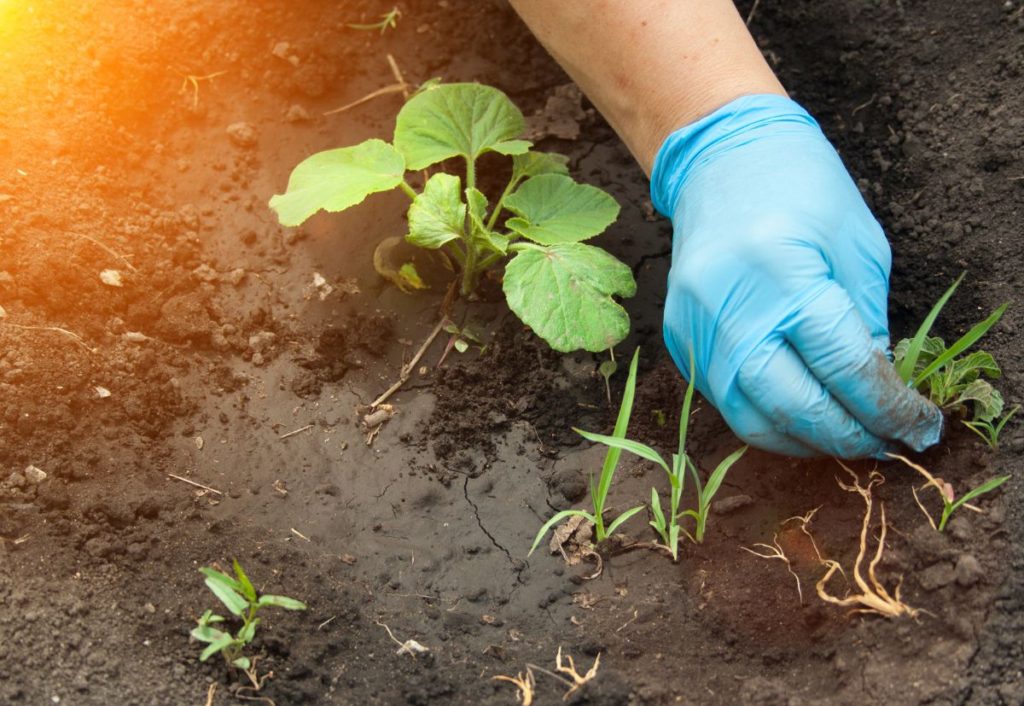
A beautifully cultivated garden bursting with vibrant vegetables is every gardener’s dream. However, the persistent presence of weeds can quickly turn this dream into a nightmare. Weeds compete for valuable nutrients and resources, compromising your vegetable garden’s overall health and productivity. Fortunately, numerous natural and eco-friendly methods prevent weeds without resorting to harmful chemicals. Explore effective strategies and techniques to naturally prevent weeds in the vegetable garden.
This post may contain affiliate links, which means I can receive a commission from any purchase made from the links. As an Amazon Associate, I earn from qualifying purchases. See the disclosure policy here.
Weed-Free Wonders: Preventing Weeds in the Vegetable Garden Naturally
Weeds are a common headache for vegetable gardeners. No matter how much time you spend pulling them, it often seems like they just keep coming back.
The good news is you don’t need synthetic herbicides or to spend hours weeding to control weeds. By working with nature, you can reduce weeds, improve soil health, and grow a more productive garden.
Prevention is the key.
Not All Weeds Are Bad
A common mistake for new gardeners is thinking every weed has to go right away. Some weeds do compete with your vegetables, but others can tell you about your soil, attract pollinators, help biodiversity, or even be edible or medicinal.
Weeds can tell you so much about your garden! Some point to compacted soil or poor fertility. Some can even show you drainage problems! If you learn to identify common weeds, you can decide which ones to pull, which to manage, and which might actually help your garden.
If you want to learn more about identifying weeds, edible and medicinal weeds, and how weeds fit into a healthy garden, take a look at my guide, Navigating Garden Weeds: Our Essential Guide to Identifying and Using Over 35 Common Garden Weeds.
Build Healthy Soil First
Building healthy soil is one of the best ways to naturally keep weeds away.
Healthy soil supports vigorous vegetable growth. When your soil is healthy, your vegetables grow stronger and can outcompete many weeds for sunlight, water, and nutrients. Before you plant, add compost and organic matter to the soil to improve its structure, boost microbial activity, and help it stay fertile, leaving less room for weeds to establish themselves.
Avoid Tilling Whenever Possible
Many people think you have to till before planting, but tilling too often can actually make weeds worse.
Whenever you disturb the soil, you bring hidden weed seeds up to the surface, where sunlight and water help them sprout. Just one round of tilling can uncover thousands of seeds that have been buried for years.
Try a no-till approach when you can. Add compost, leaves, grass clippings, or other organic materials directly onto the soil, and let earthworms and other soil life mix them in over time.
This method improves your soil and reduces weeds over time.
Mulching to Prevent Weeds
Mulching is one of the best organic ways to control weeds in your garden.
Spread a 2- to 4-inch layer of organic mulch around your vegetables. You can use materials like:
- Straw
- Shredded leaves
- Pine needles
- Grass clippings
- Wood chips
Mulch keeps sunlight from reaching weed seeds, so it’s harder for them to sprout and grow.
Besides suppressing weeds, mulch helps keep soil temperature steady, conserve water, prevent erosion, and improve soil health as it breaks down.
To get the best results, keep a steady layer of mulch throughout the season and add more as needed.
Plant Closely to Shade Out Weeds
In nature, bare soil is almost never left uncovered.
An easy way to stop weeds is to fill empty spaces with the plants you want. As your vegetables grow, their leaves shade the soil, which keeps weed seeds from sprouting.
Plants like lettuce, kale, bush beans, herbs, squash, and sweet potatoes are great for covering bare ground and naturally suppressing weeds.
The less bare soil you have, the fewer chances weeds have to grow.

Use Cover Crops Between Seasons
Try not to leave your garden beds bare if you can help it.
Cover crops protect your soil and compete with weeds for sunlight, nutrients, and space.
Benefits of cover crops include:
- Weed suppression
- Improved soil structure
- Increased organic matter
- Reduced erosion
- Better water retention
- Improved microbial activity
Popular cover crops include clover, buckwheat, annual ryegrass, winter rye, and field peas.
Some plants we usually call weeds, like clover, can actually help build healthy soil in your garden.
Pull Weeds Before They Go to Seed
Timing is important.
Spending just a few minutes weeding each week is often better than trying to tackle a whole weekend’s worth of big weeds.
Young weeds are easier to pull because their roots are small. Even more important, pulling weeds before they flower prevents thousands of new weed seeds from entering your garden.
Taking regular walks in your garden helps you spot weeds early, before they turn into a bigger problem.
Water Your Vegetables, Not the Weeds
Watering the whole garden at once encourages weed seeds to sprout everywhere.
Instead, try to water just the roots of your vegetables using drip irrigation, soaker hoses, or careful hand watering.
Watering this way saves water and keeps most weed seeds from getting enough moisture to grow.

Learn What Your Weeds Are Telling You
Sometimes, weeds are trying to tell you something.
Some weeds grow best in compacted soil, while others show that your soil is low in nutrients, drains poorly, or is out of balance. By figuring out which weeds are in your garden, you can spot soil problems before they get worse.
For example, dandelions often show up in compacted soil and use their deep roots to reach nutrients. Plantain grows in compacted soil from heavy foot traffic, and clover can mean your soil needs more nitrogen.
Knowing what your weeds are telling you can help you fix your soil naturally and reduce future weed issues.
Want Help Identifying the Weeds Growing in Your Garden?
Many gardeners pull weeds for years without knowing what they’re removing. Some weeds do compete with your vegetables, but others help the soil, attract pollinators, feed wildlife, or can even be eaten or used as medicine.
If you’ve ever wondered:
- What weed is growing in my garden?
- Is this weed beneficial or harmful?
- Can I eat it?
- What does this weed tell me about my soil?
- Should I remove it or leave it?
My digital guide, Navigating Garden Weeds: Our Essential Guide to Identifying and Using Over 35 Common Garden Weeds, can help.
Inside you’ll find:
- Identification profiles for 37 common garden weeds
- Full-color photographs
- Edible and medicinal uses
- Soil health indicators
- Organic weed management recommendations
- Pollinator and biodiversity benefits
- Creative ways to use weeds in the garden
Instead of battling every weed, try learning to identify them and use that knowledge to become a better gardener.

Explore Navigating Garden Weeds?
Final Thoughts
Preventing weeds naturally isn’t about having a perfectly weed-free garden. It’s about building healthy soil, covering bare ground, growing strong plants, and understanding how different plants fit into your garden.
By using mulch, cover crops, no-till gardening, planting closely, and paying attention to your garden, you can reduce weeds and grow a healthier, more productive vegetable garden.


